
Recorded webinar
Exploring Solid-Liquid Interfaces The Role of Surface Science and Advanced Analytical Techniques
In this webinar:
-
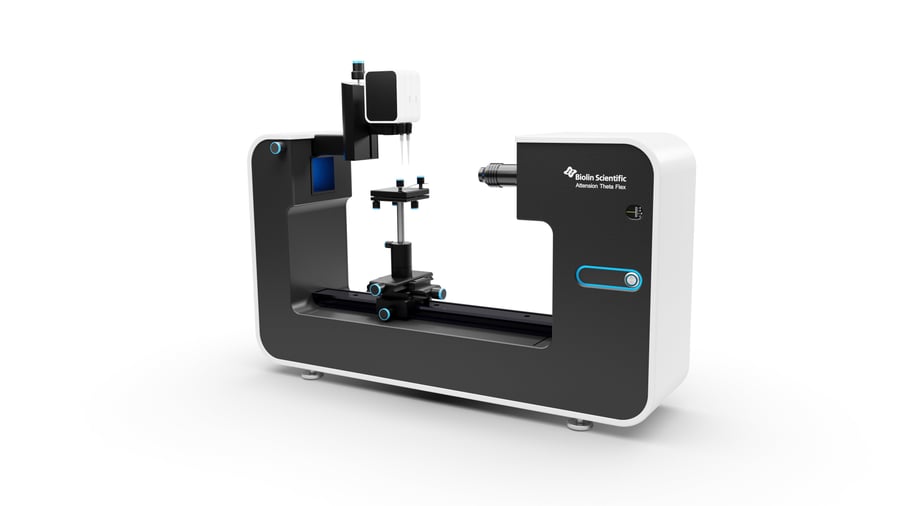
See how advanced contact angle and surface tension measurements guide real micro- and nanofabrication work.
-
Explore superhydrophobic and superhydrophilic surfaces in applications like COVID testing and blood-repellent capillaries.
-
Learn how smart surface and interface design can enable cleaner, more reliable biomedical diagnostics.

Presentation by Prof. Ville Jokinen
Professor Ville Jokinen is a micro- and nanofabrication researcher at Aalto University in Espoo, Finland, where he leads a group focused on superhydrophobic, self-cleaning and antifouling surfaces. His work combines silicon and polymer microfabrication, advanced surface and interface characterization (including intensive use of contact angle and surface tension measurements), and fluidics to develop new diagnostic and biomedical research tools such as COVID test platforms and blood-repellent capillaries.